
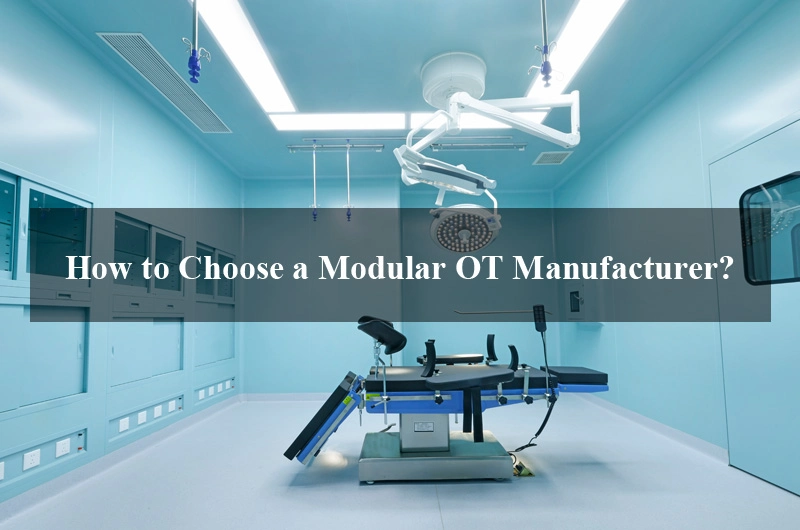
Choosing the right modular operating theatre (modular OT) manufacturer is one of the most important decisions in any hospital construction or renovation project.
A modern operating theatre is not simply a room with medical equipment — it is a highly specialized surgical environment that directly affects patient safety, infection control, surgical efficiency, and long-term hospital operations.
With many suppliers available in the global market, hospitals, EPC contractors, and healthcare developers often face challenges when selecting the right modular OT partner.
In this article, we will explain the key factors to consider when choosing a modular OT manufacturer and how to ensure a successful hospital infrastructure project.
Why Choosing the Right Modular OT Manufacturer Matters
A modular operating theatre is a complex integration of:
- Cleanroom engineering
- HVAC systems
- Medical gas systems
- Electrical infrastructure
- Infection control design
- Surgical workflow planning
- Modular construction technology
An inexperienced supplier may cause serious project issues such as:
- Poor infection control
- Construction delays
- Installation problems
- Non-compliance with standards
- Increased maintenance costs
- Reduced surgical efficiency
Choosing the right manufacturer helps hospitals minimize project risks and achieve long-term operational reliability.
1. Evaluate the Manufacturer’s Engineering Experience
One of the key factors to assess is the manufacturer’s experience with hospital engineering projects.
A qualified modular OT manufacturer should understand:
- Surgical workflow requirements
- Cleanroom standards
- Hospital HVAC systems
- Infection control principles
- Medical gas integration
- Operating room ergonomics
Manufacturers with real hospital project experience are usually better equipped to handle complex operating theatre requirements.
2. Check International Project Experience
International project experience is extremely important, especially for overseas hospital construction projects.
An experienced global supplier understands:
- Export logistics
- International regulations
- Different healthcare standards
- Overseas installation support
- Project coordination across countries
Manufacturers that have completed projects in regions such as Africa, Southeast Asia, and the Middle East often have stronger adaptability and project management capabilities.
3. Assess Customization Capability
Every hospital project is different.
Factors such as:
- Surgical specialty
- Room size
- Workflow requirements
- Budget limitations
- Local regulations
all influence operating theatre design.
A reliable modular OT manufacturer should provide customized solutions rather than offering only fixed standard products.
Customization capability is especially important for:
- Specialty hospitals
- Renovation projects
- Hybrid operating rooms
- High-end surgical centers
4. Review Manufacturing Quality
The manufacturing quality of modular OT systems directly affects durability, hygiene, and long-term maintenance.
Important factors include:
- Material quality
- Surface finishing
- Precision fabrication
- Panel joint design
- Corrosion resistance
- Antibacterial performance
Hospitals should carefully review:
- Factory capabilities
- Production processes
- Quality control systems
- Material certifications
before selecting a supplier.
5. Verify Certifications and Compliance
A professional modular OT manufacturer should comply with relevant international quality and healthcare standards.
Important certifications may include:
- ISO 9001
- ISO 13485
- CE certification
- Cleanroom standards
- HVAC compliance standards
Certification confirms that the manufacturer adheres to standardized production and quality management practices.
6. Evaluate Design and Technical Support
A modular operating theatre project requires detailed engineering coordination.
Manufacturers should provide:
- Layout planning
- CAD drawings
- 3D renderings
- Technical consultation
- HVAC coordination
- Medical gas planning
Strong technical support helps hospitals optimize operating room performance and reduce construction errors.
7. Examine Installation and After-Sales Support
The quality of installation is equally as critical as the quality of manufacturing.
Hospitals should confirm whether the manufacturer can provide:
- Overseas installation guidance
- On-site supervision
- Commissioning support
- Staff training
- Technical documentation
- After-sales maintenance support
Reliable after-sales service is critical for long-term operational stability.
8. Analyze Previous Hospital Projects
Reviewing completed projects is one of the most effective ways to evaluate a modular OT manufacturer.
Look for:
- Real hospital installations
- Project case studies
- Before-and-after renovation examples
- Installation photos
- Client feedback
Project references help verify the supplier’s actual engineering capabilities.
9. Consider Turnkey Solution Capability
Many hospitals today prefer turnkey modular OT solutions because they simplify project management.
A turnkey manufacturer can manage:
- Design
- Manufacturing
- Engineering integration
- Installation
- Commissioning
This integrated approach minimizes coordination challenges and enhances overall project efficiency.
10. Compare Long-Term Value Instead of Only Price
Many buyers focus only on the lowest quotation, but the cheapest option is not always the best long-term investment.
Low-cost systems may lead to:
- Higher maintenance expenses
- Shorter service life
- Poor infection control
- Installation problems
- Future renovation costs
Hospitals should evaluate:
- Product durability
- Engineering quality
- Technical support
- Operational efficiency
- Long-term reliability
instead of comparing price alone.
Conclusion
Choosing the right modular OT manufacturer is critical for building safe, efficient, and future-ready surgical environments.
Hospitals should evaluate manufacturers based on:
- Engineering expertise
- International project experience
- Customization capability
- Manufacturing quality
- Certifications
- Technical support
- Installation services
- Long-term reliability
A professional modular operating theatre manufacturer is not simply a supplier — it is a long-term healthcare engineering partner that helps hospitals improve surgical performance, infection control, and operational efficiency.