
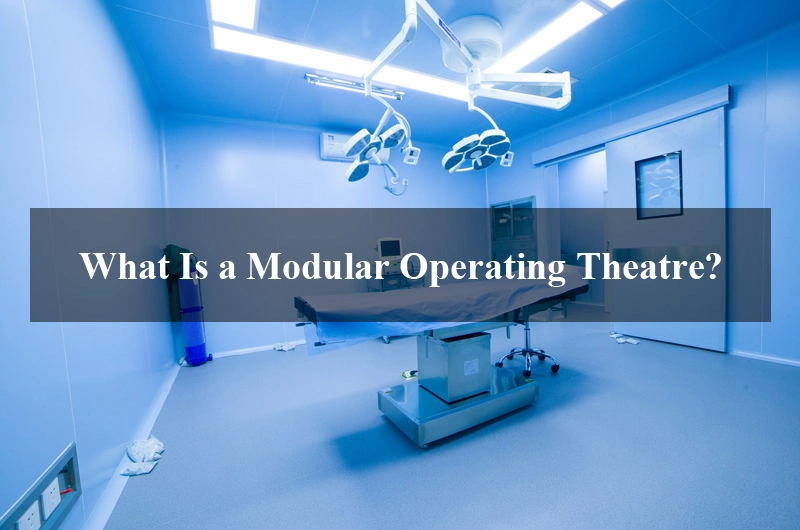
Modern hospitals are under increasing pressure to improve surgical efficiency, reduce infection risks, and meet higher healthcare standards. As a result, traditional operating theatres are gradually being replaced by more advanced and flexible solutions known as modular operating theatres (modular OT).
Today, modular operating theatres are widely used in hospitals, specialty clinics, ambulatory surgery centers, and healthcare infrastructure projects around the world.
Their clean design, fast installation, easy maintenance, and superior infection control make them an ideal solution for modern surgical environments.
What Is a Modular Operating Theatre?
A modular operating theatre is a prefabricated and integrated surgical room system designed using modular components such as wall panels, ceiling systems, OT doors, laminar airflow units, medical gas systems, and built-in equipment.
Unlike conventional operating theatres constructed using traditional brick-and-mortar methods, a modular operating theatre is built using factory-manufactured components that are assembled on-site under strict engineering and hygienic standards.
The modular design allows hospitals to create efficient and customizable surgical environments that comply with international healthcare regulations.
Modular OTs are specifically designed to support:
- Infection prevention
- Controlled airflow
- Easy cleaning and maintenance
- Efficient workflow
- Flexible future upgrades
- Faster construction timelines
Because of these advantages, modular operating theatres have become an important part of modern hospital infrastructure.
Main Components of a Modular Operating Theatre
A modular operating theatre is made up of several integrated systems that work together to create a sterile and functional surgical environment.
1. Wall Panel System
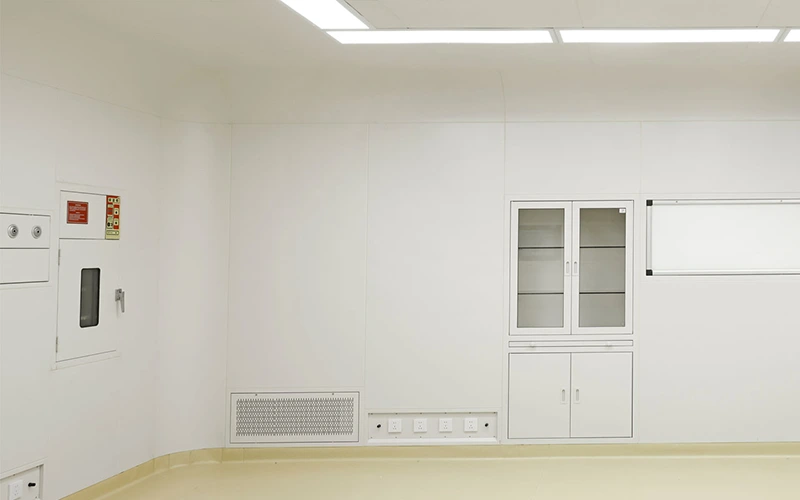
The wall panel system forms the structural enclosure of the operating theatre.
These panels are usually manufactured from materials such as electro-galvanized steel.
The smooth surface helps prevent bacterial growth and allows easy cleaning and disinfection.
Wall panels may also include integrated raceways for electrical wiring, medical gas pipelines, and communication systems.
2. Ceiling System
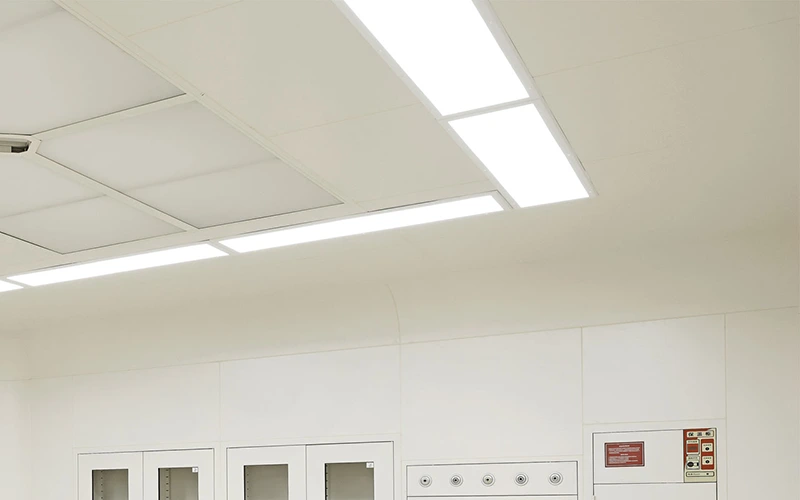
The modular ceiling system is designed to support:
- Laminar airflow units
- OT lights
- Ceiling-mounted pendants
- HVAC systems
The ceiling panels are dust-resistant, airtight, and easy to maintain, ensuring a clean surgical environment.
3. Hermetic Sensor Doors
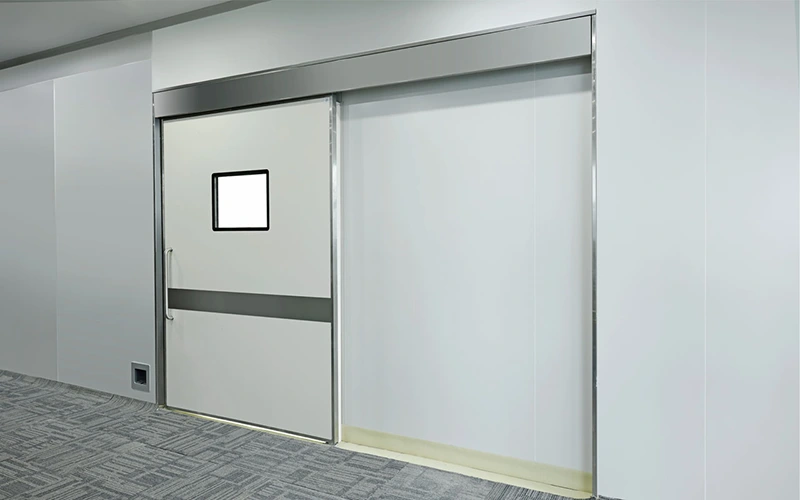
Hermetic doors are specially designed airtight doors used in operating theatres to maintain pressure balance and reduce contamination risks.
These doors are commonly available as:
- Automatic sliding doors
- Manual hinged doors
Modern OT doors are equipped with smooth surfaces and touchless operation for improved hygiene.
4. Laminar Airflow System
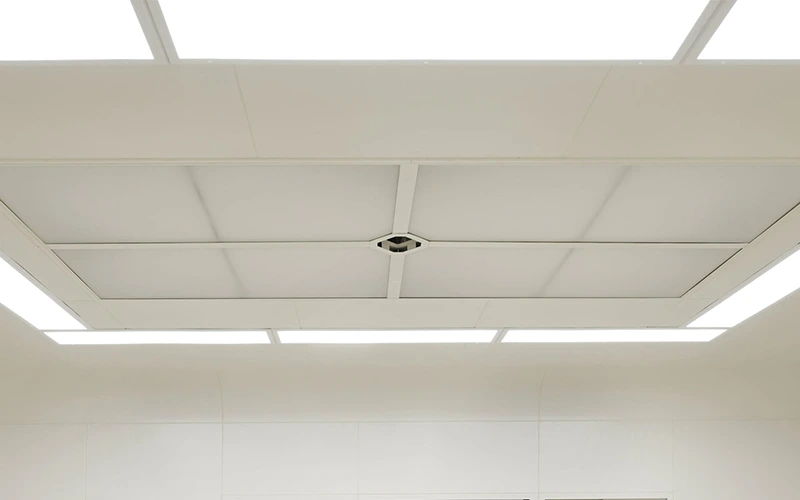
The laminar airflow system is one of the most critical components in a modular operating theatre.
It provides unidirectional airflow that helps remove airborne particles and bacteria from the surgical area.
Benefits include:
- Reduced infection risk
- Controlled air quality
- Improved surgical safety
- Compliance with cleanroom standards
High-efficiency HEPA filters are commonly used to maintain sterile conditions.
5. Medical Gas Pipeline System
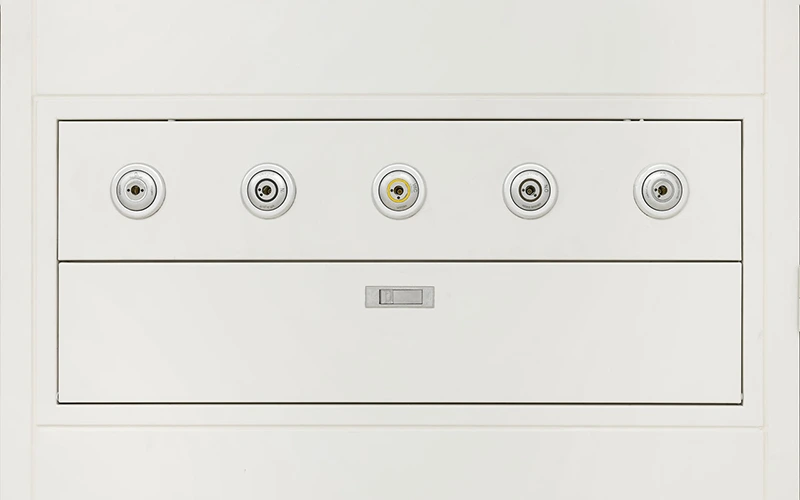
Medical gas outlets are integrated into the operating theatre for supplying essential gases such as:
- Oxygen
- Nitrous oxide
- Medical air
- Vacuum suction
The system is designed for safe and uninterrupted gas delivery during surgical procedures.
6. Control System
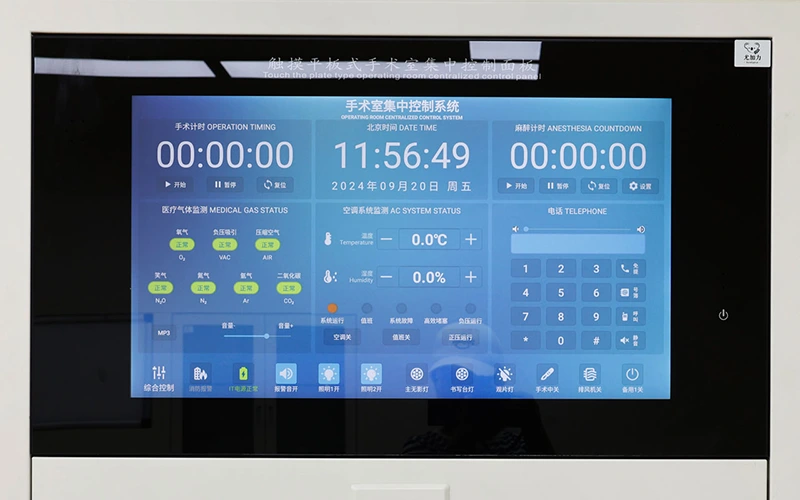
The operating theatre control panel allows centralized management of critical room functions, including:
- Lighting control
- HVAC control
- Medical gas alarms
- Intercom systems
- Clock and timer systems
- Pressure monitoring
Modern digital control panels improve operational efficiency and simplify surgical room management.
7. Built-In Stainless Steel Furniture
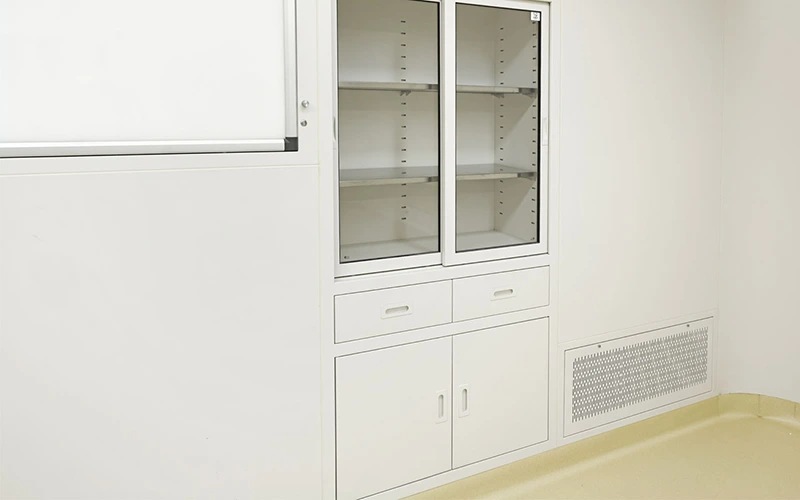
Modular operating theatres often include integrated stainless steel furniture such as:
- Storage cabinets
- Scrub sinks
- Writing desks
- Medicine cabinets
- Instrument cabinets
Stainless steel is widely used because of its corrosion resistance, hygiene performance, and durability.
Advantages of Modular Operating Theatre
Modular operating theatres offer significant benefits compared to conventional operating theatres.
1. Better Infection Control
One of the biggest advantages of modular OT systems is superior infection prevention.
Smooth surfaces, airtight construction, and controlled airflow help minimize bacterial contamination and maintain sterile conditions.
2. Faster Installation
Since modular components are prefabricated in factories, installation time on-site is significantly reduced.
Hospitals can complete OT projects much faster compared to traditional construction methods.
3. Easy Maintenance
Modular systems are designed for easy access and replacement of components.
Damaged panels or equipment can often be replaced without major reconstruction work.
4. Flexible Customization
Modular operating theatres can be customized according to:
- Surgical specialty
- Hospital size
- Workflow requirements
- International standards
This flexibility makes them suitable for both small clinics and large medical centers.
5. Improved Durability
The materials used in modular OT systems are highly durable and resistant to:
- Corrosion
- Chemicals
- Moisture
- Frequent cleaning
This ensures long-term performance and lower maintenance costs.
Modular OT vs Traditional OT
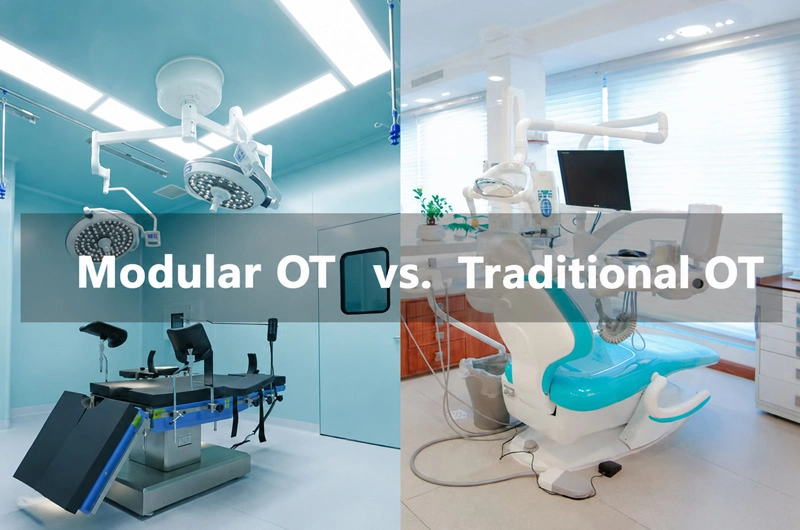
| Feature | Modular OT | Traditional OT |
|---|---|---|
| Construction Method | Prefabricated modular system | Conventional construction |
| Installation Time | Faster | Longer |
| Infection Control | Excellent | Moderate |
| Maintenance | Easy | Complex |
| Flexibility | Highly customizable | Limited |
| Future Upgrades | Easier | Difficult |
| Cleanliness | Superior | Standard |
Because of these advantages, many hospitals are now upgrading traditional operating theatres to modular OT systems.